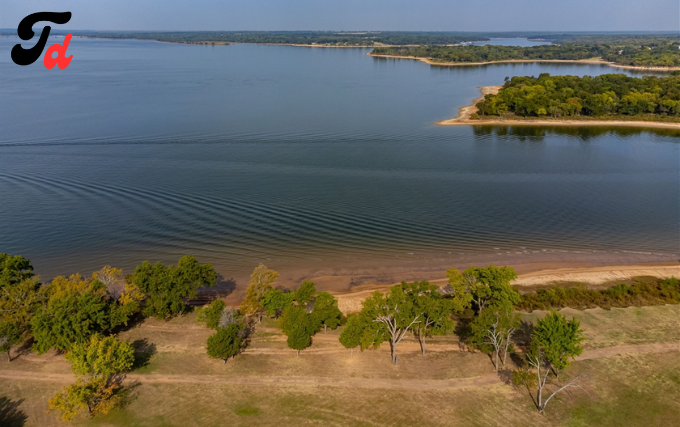
In the English language, capitalization rules are more than stylistic preferences; they serve as identifiers of importance, formality, and respect. Proper nouns, including names of people, places, organizations, and landmarks, are always capitalized. This rule is crucial because it differentiates a specific, recognized entity from a generic term. In the case of Lake Texoma, capitalization ensures that readers recognize it as a distinct and notable location, not just a generic body of water.
The Significance of Lake Texoma
Lake Texoma, straddling the border of Texas and Oklahoma, is one of the largest reservoirs in the United States. Created by the Denison Dam on the Red River, it serves multiple purposes: hydroelectric power generation, flood control, water supply, and recreation. Its prominence in the region means it is not just a geographical location but also a cultural and economic landmark. Capitalizing its name reflects this importance and preserves the identity of the lake.
Capitalization as a Sign of Respect
Capitalization also functions as a form of respect. When writing about historically, environmentally, or socially important places, proper capitalization signifies acknowledgment of their value. Failing to capitalize Lake Texoma undermines its status, diminishing its role in regional history and culture. For communities that depend on its resources and tourism, proper representation is a matter of pride.
Following Standard English Grammar Rules
The rules of English grammar explicitly dictate that geographical names, such as Lake Michigan, Mount Everest, or Grand Canyon, should always be capitalized. Lake Texoma falls into this same category. To deviate from this standard not only weakens clarity but also appears careless or uninformed to the reader. For formal communication, academic writing, or professional content, consistent capitalization is non-negotiable.
Avoiding Ambiguity and Misinterpretation
Using lowercase for lake texoma creates ambiguity. A lowercase form can make it seem like a casual or generic reference to any lake in the Texoma region rather than the specific and significant Lake Texoma. Capitalization removes this confusion, ensuring that readers immediately understand the reference is to the named reservoir, not just any local water body.
The Role of Capitalization in Professional Writing
Professional writing, whether in journalism, academic research, or business communication, relies heavily on precision. Names of landmarks must be presented accurately to maintain credibility. Articles about tourism, water resource management, or environmental studies lose professionalism if Lake Texoma is misrepresented in lowercase. This is especially true for digital publications where search engine algorithms favor correct capitalization in recognized entities.
Impact on Search Engine Optimization (SEO)
In the digital era, capitalization also has practical implications for search engines. Search engine optimization (SEO) thrives on accuracy, and proper nouns are central to keyword recognition. People searching for Lake Texoma expect results tailored to the reservoir, not a vague phrase. By capitalizing correctly, writers and publishers help search engines index their content properly, ensuring visibility and relevance in online searches.
Historical and Cultural Identity of Lake Texoma
Lake Texoma is more than just a body of water; it has a cultural identity tied to both Texas and Oklahoma. Known as the “Striper Capital of the World,” it attracts millions of visitors annually. Its historical significance dates back to the 1940s with the completion of the Denison Dam, which reshaped the regional landscape and economy. Preserving this identity through capitalization is part of respecting its history and cultural value.
Capitalization in Educational Contexts
In educational writing—whether geography textbooks, research papers, or tourism guides—capitalization of Lake Texoma is essential. It sets an example for students and maintains consistency across academic resources. If educators or authors neglect capitalization, it risks confusing learners about when and why proper nouns require distinction.
Digital Communication and Social Media Practices
In less formal settings like social media, capitalization sometimes gets overlooked. However, for a recognized landmark such as Lake Texoma, it is still important to maintain correct formatting. Businesses promoting tourism, bloggers sharing travel experiences, or local communities posting updates benefit from the professionalism of proper capitalization. Even in casual posts, it enhances credibility and readability.
The Broader Linguistic Perspective
From a linguistic perspective, capitalization is a marker of meaning. Without it, a word can shift from a proper noun to a common noun, losing specificity. Writing lake texoma in lowercase strips the location of its uniqueness. In contrast, capitalizing Lake Texoma ensures the linguistic integrity of the name, preserving its significance within communication.
Consistency Across Platforms and Publications
Consistency is another major factor in capitalization. Major newspapers, travel websites, government documents, and academic journals all capitalize Lake Texoma. Writers and professionals must follow suit to align with established standards. Inconsistent usage creates confusion, diminishes authority, and can appear unprofessional to readers who expect accuracy.
Conclusion
In every context—academic, professional, cultural, or digital—Lake Texoma should be capitalized. Proper capitalization respects grammar rules, maintains clarity, and preserves cultural identity. It reflects professionalism in writing and ensures accuracy in digital searches. Most importantly, it acknowledges Lake Texoma’s role as a vital landmark for both Texas and Oklahoma. By capitalizing consistently, writers and speakers honor its significance and contribute to preserving its legacy.